
In-house driver or courier service?
The driver’s wage is only one part of the real cost. Vehicles, insurance, fuel, maintenance, dispatch and unexpected absences can completely change the answer.
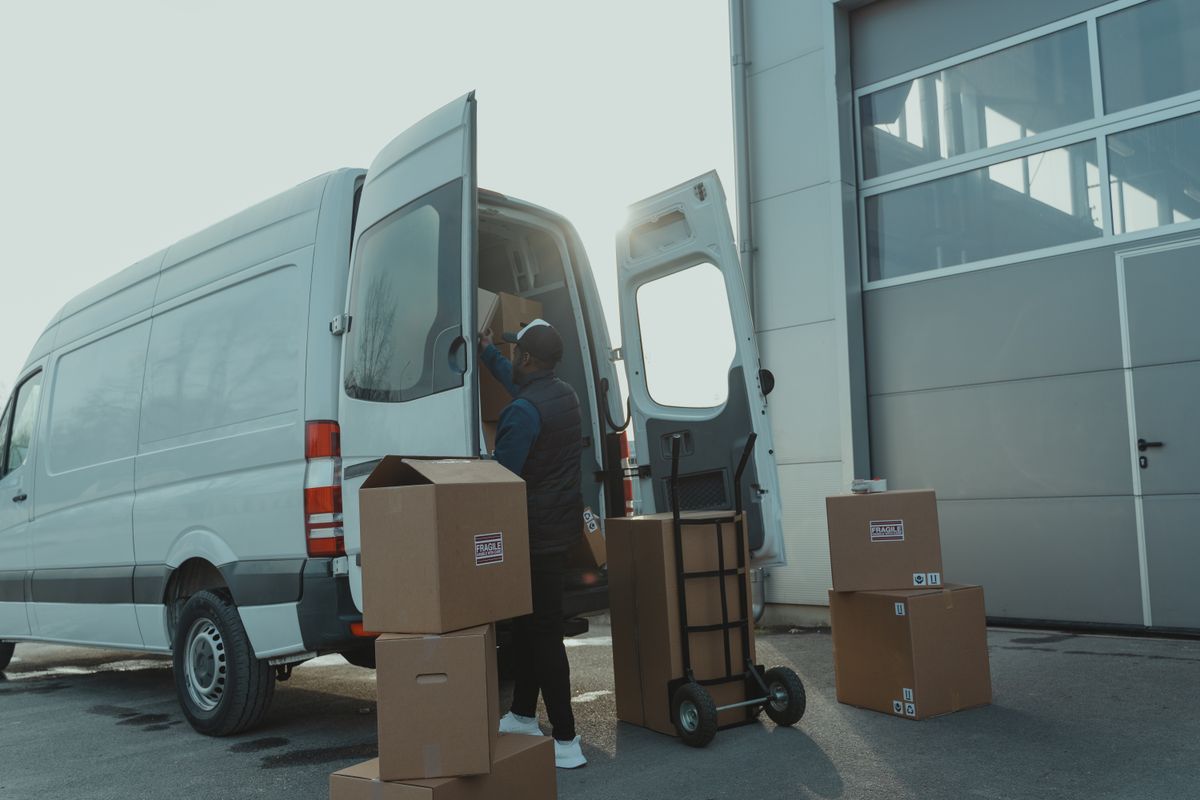
Three delivery models. Three different kinds of flexibility.
The right choice depends on whether your volume is consistent, how often routes change and how much transportation responsibility your team wants to manage.
In-house driver
Best suited to predictable, full-time delivery demand that keeps one driver and vehicle productive throughout the day.
Courier service
Useful when destinations, shipment sizes and daily volume change, or when the business wants to avoid fixed fleet costs.
Hybrid model
Combines an internal driver for predictable work with courier support for urgent, oversized, regional or overflow deliveries.
A driver’s wage is only the beginning.
A fair comparison includes every resource required to keep deliveries moving, even on slow days, busy weeks and the days when something goes wrong.
Wages and employment expenses
An employee costs more than their hourly wage. Payroll contributions, vacation pay, statutory holidays, overtime, recruitment, onboarding, training and administrative work all belong in the calculation.
Vehicles, insurance and maintenance
A business may need to purchase or lease a vehicle, arrange commercial insurance and pay for fuel, tires, inspections, repairs, parking, cleaning and depreciation. Different shipment sizes may also require more than one type of vehicle.
Dispatch and route planning
Someone must confirm addresses, organize stops, monitor changing conditions, communicate with recipients and adjust the plan when an urgent request appears. That office time is part of the delivery operation too.
Absences, breakdowns and backup coverage
A delivery plan still needs to work when the driver is sick, on vacation or unavailable. Vehicle repairs can create the same problem. Without backup coverage, another employee may need to leave their regular work or the delivery may be delayed.
Idle time and changing demand
A driver may be busy in the morning and have little delivery work in the afternoon. The business continues paying fixed costs during slower periods. During a sudden peak, one driver and one vehicle may no longer provide enough capacity.
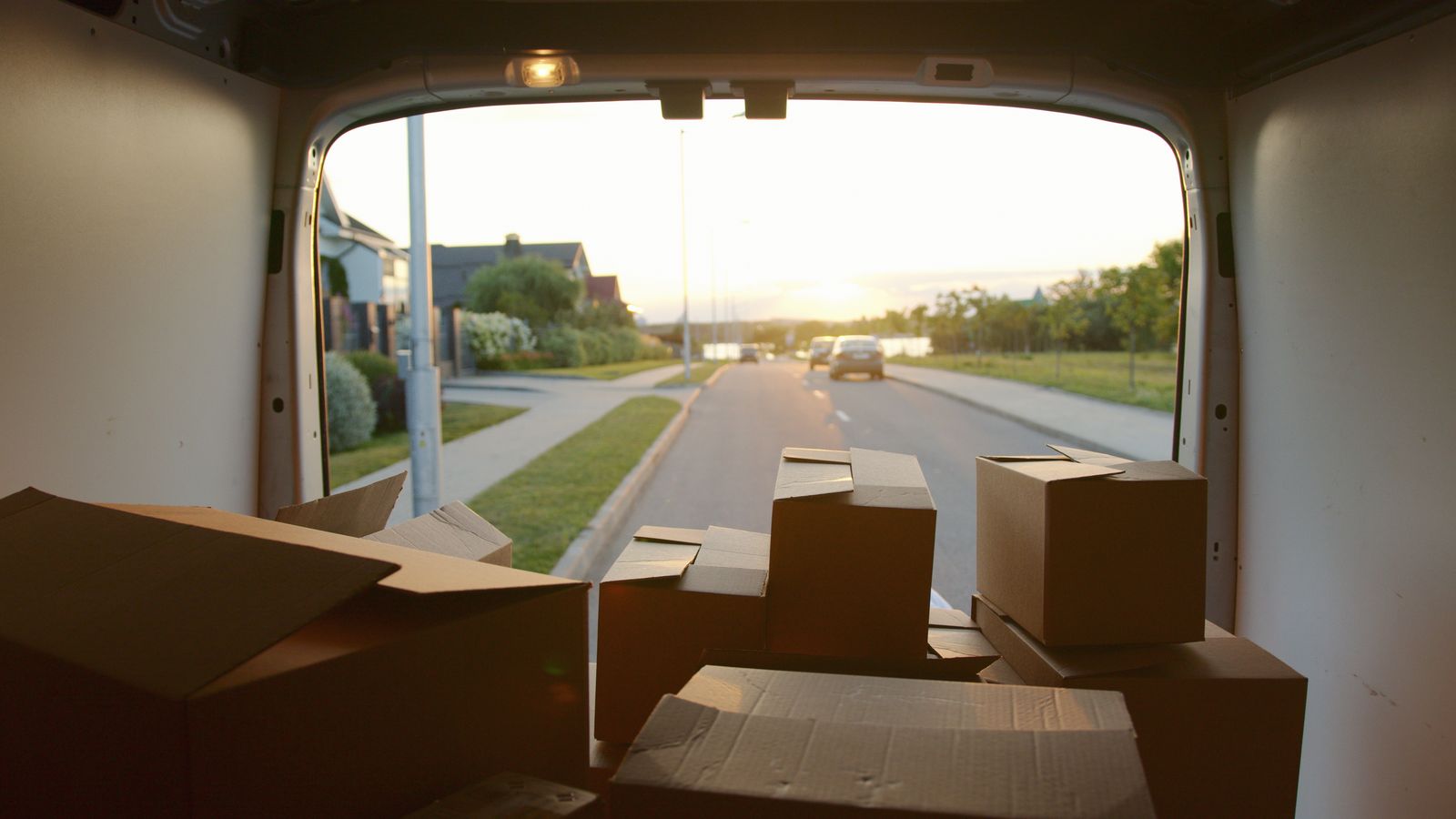
In-house driver vs. courier service.
The lowest invoice does not always represent the lowest operating cost. Compare responsibility, capacity and risk as well as price.
| Consideration | In-house driver | Courier service |
|---|---|---|
| Driver recruitment | Managed by the business | Managed by the courier |
| Vehicle costs | Business purchases or leases vehicles | Included as part of the service |
| Insurance and maintenance | Managed by the business | Managed by the courier |
| Daily control | High direct control | Defined through the service agreement |
| Capacity | Limited to available drivers and vehicles | Can adjust to changing volume |
| Vehicle options | Requires owning or renting each vehicle type | Different vehicle sizes may be requested |
| Dispatch support | Managed internally | Provided by the courier |
| Employee absences | Business arranges backup coverage | Courier manages driver coverage |
| Slow periods | Fixed costs continue | Costs may decrease with volume |
| Busy periods | Extra resources may be difficult to find | Additional capacity may be available |
| Best suited for | Consistent full-time delivery demand | Variable, urgent or recurring business deliveries |
Swipe horizontally to view the full comparison.
Choose based on how the work behaves.
When an in-house driver makes sense
An internal driver can work well when the route is predictable and there is enough useful work to keep both the person and vehicle productive.
- Delivery demand is consistent throughout the week
- Stops follow the same predictable schedule
- The business already owns the appropriate vehicle
- The driver performs other useful duties between routes
- Deliveries require specialized internal knowledge
- Direct control over the daily process is essential
When a courier service makes sense
Outsourcing can be more practical when volume, destinations, vehicle requirements or delivery timing change regularly.
- Volume changes from one day to another
- Orders travel to different cities and neighbourhoods
- The business needs several vehicle sizes
- Some shipments are urgent or time-sensitive
- Tracking and proof of delivery are required
- The company needs capacity without purchasing vehicles
Consistency without managing the fleet.
Businesses do not always need to choose between a full-time employee and separate on-demand orders. A dedicated delivery route provides regular transportation based on the company’s schedule.
What is a dedicated delivery route?
A courier provides recurring pickups, scheduled stops, transfers between locations or daily customer deliveries. The business receives consistent support without directly managing drivers, vehicles, maintenance and dispatch operations.
Vancouver delivery costs are not only about distance.
A short delivery is not always a simple delivery. Metro Vancouver includes bridges, tunnels, downtown loading restrictions, limited parking, construction and traffic patterns that can change quickly.
Deliveries between Vancouver, Burnaby, Richmond, Surrey and the Fraser Valley require realistic scheduling and local route knowledge. Regional shipments may involve ferry schedules, longer driving distances and additional coordination.
An experienced local courier can plan around the actual requirements of the route, not only the number of kilometres between two addresses.
Businesses can also use a hybrid model, keeping an internal driver for predictable work and using courier support for overflow, urgent requests, larger shipments, regional routes and employee absences.
Ten costs to compare before deciding.
Calculate the complete monthly cost of operating in-house, then compare it with a courier quote based on your real destinations, volume, schedule and shipment sizes.
Driver wages
Regular hours, overtime and employer expenses.
Vehicle payments
Purchase, financing, lease or rental costs.
Commercial insurance
Coverage required for business vehicle use.
Fuel
Daily mileage, idling and changing fuel prices.
Maintenance
Inspections, tires, repairs and preventive service.
Parking and access
Loading zones, parking and route-related expenses.
Dispatch time
Planning routes and communicating with recipients.
Recruitment and training
Hiring, onboarding and maintaining qualified coverage.
Backup transportation
Coverage for absences and unavailable vehicles.
Downtime
Fixed costs during slow periods or interrupted service.
Compare your delivery options.
Numode Delivery helps businesses manage urgent shipments, recurring routes and flexible transportation across Metro Vancouver and surrounding regions.
Frequently asked questions.
Common questions Vancouver businesses ask when comparing in-house delivery with professional courier support.
Is using a courier cheaper than hiring a driver?
It can be, particularly when delivery volume changes or the business does not have enough work to keep a driver and vehicle fully occupied. Compare the complete cost of both options, including employment, vehicle and administrative expenses.
Can a courier handle daily business deliveries?
Yes. Dedicated routes can support businesses that need daily pickups, scheduled deliveries or recurring transfers between locations.
What is the difference between on-demand and dedicated delivery?
On-demand delivery is booked when a shipment is ready. Dedicated delivery follows a recurring schedule or route designed around the business’s regular transportation needs.
Can a courier provide different vehicle sizes?
Yes. Depending on the shipment, a courier may use cars, minivans, cargo vans, Sprinters or trucks. Read Numode’s delivery vehicle guide for more information.
Can a business use both an employee driver and a courier?
Yes. Many businesses use courier services for overflow, urgent deliveries, larger shipments, regional routes and coverage when their regular driver is unavailable.
How should a business compare the two options?
Add wages, payroll expenses, vehicle payments, insurance, fuel, maintenance, dispatch time, recruitment, backup coverage and downtime. Then compare that total with a courier quote based on your actual delivery requirements.
How do I request a business delivery quote?
Contact Numode Delivery to discuss your delivery volume, locations, shipment sizes and schedule. The team can help you compare on-demand, freight and dedicated delivery options.