
What happens after you book a courier?
You submitted the delivery, received your confirmation and the package is sitting by the door. So what is actually happening on the courier's side? Here is the journey from booking to proof of delivery.
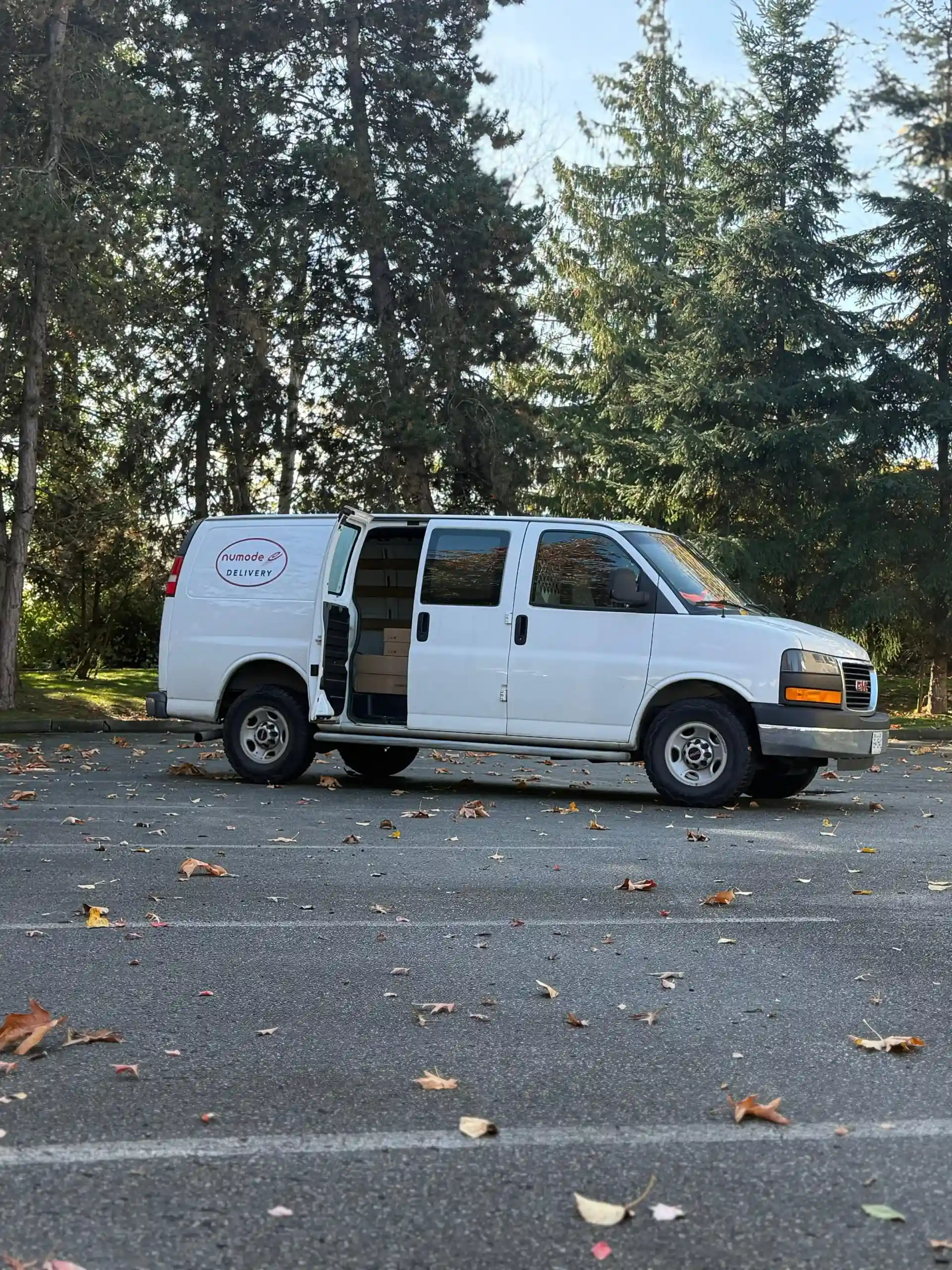
Your delivery does not simply jump from the booking form into a van.
Once a courier receives your order, the delivery details need to be reviewed, matched with the right vehicle and added to the day's operations.
From there, a driver can head to the pickup, collect the shipment, complete the route and deliver it according to the instructions provided.
For the customer it may look simple. Package here, package there. Behind the scenes, dispatch is connecting addresses, timing, drivers, vehicles and delivery instructions.
Booking → Dispatch → Driver → Pickup → In Transit → Delivered → Proof of Delivery.
Follow a delivery from booking to the final door.
The exact process can change depending on the service, shipment and route, but most local courier deliveries follow a journey similar to this one.
Your delivery reaches dispatch.
The process begins with the information provided when you book. That normally includes the pickup address, delivery address, timing, contact information and details about what is being sent.
“One box” tells dispatch much less than “one 25 lb box, approximately 24 × 18 × 15 inches.”
Dispatch checks what the job actually needs.
A dispatcher looks at where the shipment is starting, where it needs to go, when it needs to arrive and how much space it will need. A document envelope might fit in a car while multiple boxes, oversized items or pallets may require a larger vehicle.
Dimensions, weight, number of pieces, loading dock access and special handling notes help prevent surprises later.
The delivery is matched with a driver.
Driver assignment is based on more than simply choosing whoever is closest. Dispatch may consider the vehicle needed, the driver's existing route, timing and other deliveries already in progress.
A good route balances urgency with efficient use of drivers and vehicles already operating across the service area.
The driver arrives and collects the shipment.
At pickup, the shipment should be packed, labelled when required and ready to move. The driver may need to locate reception, access a loading area or contact someone at the pickup location.
Tell reception or warehouse staff that a courier is coming and make sure the shipment can be identified quickly.
Your shipment is on the road.
Once collected, the delivery moves through the route assigned by dispatch. The exact trip depends on the service selected. Some deliveries are highly time-sensitive while others can be coordinated with additional stops.
“Picked up” does not always mean the driver is travelling directly from your pickup to the final address with no other stops. Service type matters.
The driver reaches the destination.
The final step on the road is locating the correct receiving point and handing off the shipment according to the delivery instructions. This might be reception, a loading dock, a specific department or an individual recipient.
Unit numbers, business names, receiving hours, contact names and access instructions can save valuable time at the final stop.
The delivery is confirmed.
Once the shipment has been delivered, proof of delivery can provide a record that the job was completed. Depending on the delivery and system being used, this may include a recipient name, signature, timestamp or other confirmation information.
Proof of delivery helps teams confirm that an order reached its destination instead of relying on someone remembering a phone call or email.
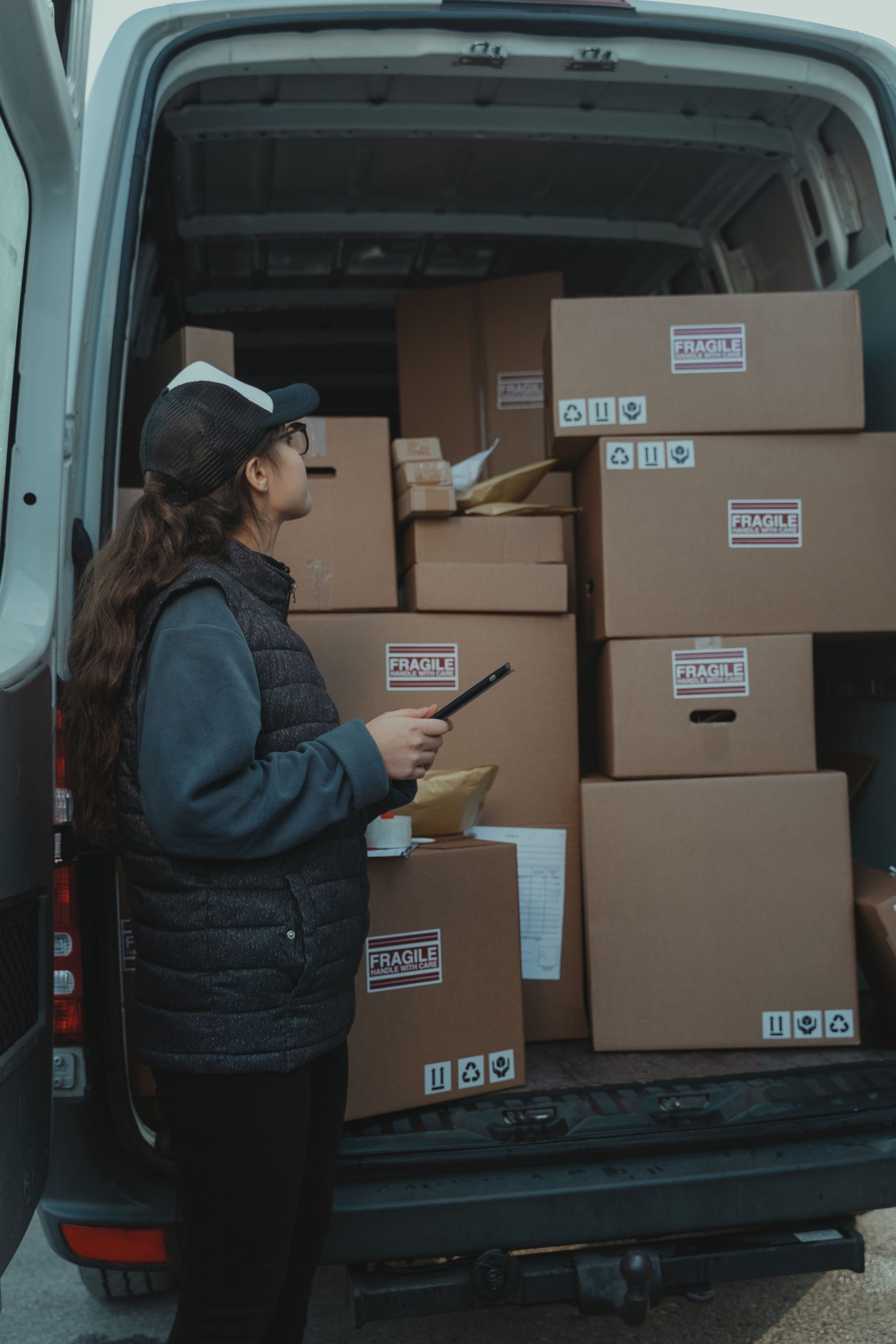
Does the driver go straight from pickup to delivery?
Sometimes, but it depends on the service you booked.
A rush or dedicated delivery may be handled differently from a regular same-day shipment that can be coordinated with an existing route.
That is why the deadline matters when you book. If something must arrive urgently, say so. Dispatch needs that information before deciding how the delivery should be handled.
The map may look simple, but timing, vehicle type, traffic, existing routes and the selected service can all affect how the delivery is scheduled.
What can slow a courier delivery down?
Traffic is not the only thing that causes delays. A surprising number of problems begin with missing information at pickup or delivery.
Missing unit numbers
An address can lead a driver to the building, but a missing suite, warehouse bay or department can still leave them searching for the right door.
The shipment is not ready
If packing, paperwork or labelling starts after the courier arrives, the pickup can take much longer than expected.
The item is larger than expected
A shipment booked as a small box may require a completely different vehicle if the actual dimensions or weight are much larger.
No one is available to receive it
Locked doors, closed receiving areas and unavailable contacts can interrupt an otherwise straightforward delivery.
Loading access was not mentioned
Parking restrictions, loading docks, elevators, security desks and appointment requirements can all affect the time needed at a stop.
The address changes late
A new destination can change the route, timing and distance. If delivery details change, contact dispatch as soon as possible.
Four small things make pickup much easier.
Once the order is submitted, there usually is not much left for you to do. Just make sure the shipment and the people involved are ready.
- Finish packing the shipment before the pickup window.
- Let reception, warehouse staff or the front desk know a courier is coming.
- Keep your phone or main contact available in case dispatch or the driver needs clarification.
- Make sure the receiving person knows a delivery is expected.
The trip may be over, but the confirmation still matters.
Proof of Delivery, often shortened to POD, creates a record that a shipment reached its destination.
For businesses handling multiple deliveries, that record can make it much easier to answer questions from customers, suppliers or internal teams.
The information available can vary depending on the type of delivery and system being used.
Proof of Delivery
- Status Delivered
- Delivery location Confirmed
- Time Recorded
- Recipient When applicable
- Signature When required
Ready to send something?
Numode Delivery provides same-day, rush, scheduled and dedicated delivery services across Metro Vancouver and surrounding areas. From documents and boxes to pallets and larger business shipments, tell us what needs to move and our team can help you plan the delivery.
Frequently asked questions.
Common questions about what happens after booking a local courier delivery.
What happens after I book a courier?
Your delivery information is reviewed by dispatch, the job is planned according to the route and shipment requirements, and a suitable driver can be assigned. The driver then collects the shipment, completes the delivery and records confirmation when applicable.
How quickly is a driver assigned?
Timing depends on the service selected, pickup location, shipment requirements, driver availability and the existing delivery schedule. Time-sensitive deliveries should clearly include the required deadline when booked.
Can I change the delivery address after booking?
Contact dispatch as soon as possible if delivery details change. Address changes may affect the route, timing or cost, especially if the driver has already collected the shipment.
What is Proof of Delivery?
Proof of Delivery, or POD, is a record confirming that the shipment reached its destination. Depending on the delivery, it may include details such as delivery time, recipient information or a signature.
What happens if nobody is available to receive the delivery?
The next step depends on the delivery instructions and situation. The driver or dispatch may need to contact the sender or receiver for direction. Accurate receiving hours and contact information can help avoid this problem.
Does a courier go directly from pickup to delivery?
Not always. The route depends on the service selected and how the delivery has been scheduled. If the shipment has an urgent or specific deadline, make that clear when booking.
Can businesses schedule recurring courier pickups?
Yes. Businesses with regular delivery needs can use scheduled or dedicated delivery arrangements rather than creating the same delivery manually each time. Contact Numode Delivery to discuss recurring delivery requirements.
The exact delivery process may vary based on the service selected, route, shipment type, customer instructions and current operating conditions. Contact Numode Delivery for information about a specific shipment or service.