
Why your postal code doesn’t tell the whole delivery story.
A postal code can tell a courier roughly where a shipment is going. What it cannot tell us is whether there is a loading dock, a locked lobby, a receiving deadline, limited parking or a pallet waiting on the other side.
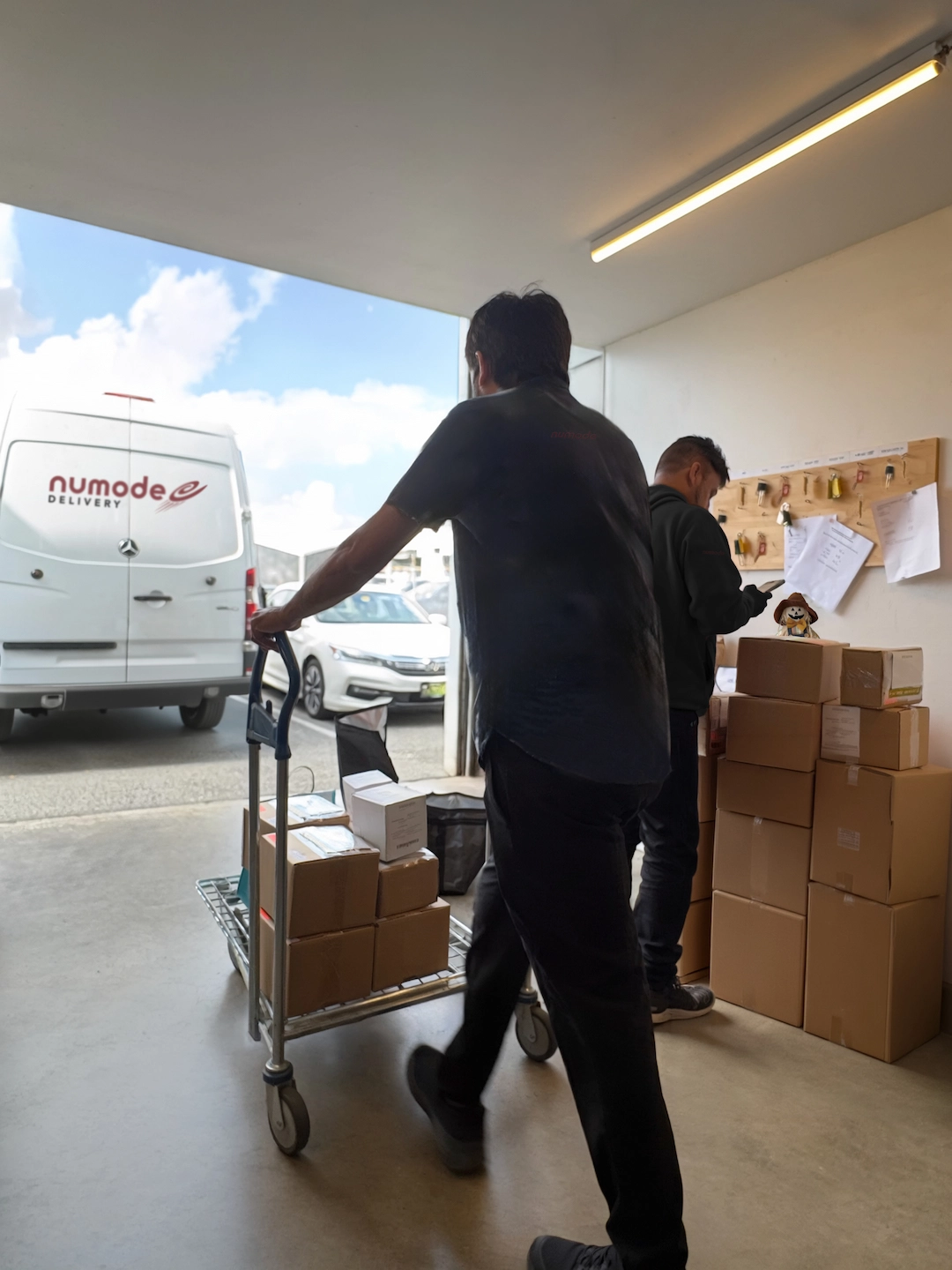
Two nearby addresses can be two completely different deliveries.
Postal codes are useful. They help identify an area and give us a starting point for understanding a route. But a courier delivery is more than the distance between two points.
A delivery to a storefront with parking directly outside can be straightforward. A delivery a few blocks away might require a loading bay, elevator access, security check-in and a specific receiving window.
On a map, those stops can look almost identical. For the driver and dispatcher, they are not.
A postal code helps answer “where?” It does not automatically answer “how long?”, “what vehicle?”, “where can the driver stop?” or “how does the shipment get inside?”
What a postal code tells us, and what it leaves out.
The address is important. The details around the address are often what determine how the delivery actually works.
Understanding the general location.
- The city or neighbourhood area
- The approximate pickup or delivery zone
- Planning the general direction of a route
- Estimating distance between locations
- Confirming that the address is within a service area
What happens when the driver gets there.
- Whether there is convenient parking
- If a loading dock or appointment is required
- Which floor, suite, department or warehouse bay is receiving
- How large or heavy the shipment is
- Whether the delivery has a strict deadline
Six details that can change the delivery.
Good delivery planning combines the address with information about the shipment, the building and the timing required.
Building access
Reaching the street address is only part of the job. Office towers, warehouses, shopping centres and secured buildings may each have a different process for receiving deliveries.
Include the suite, floor, department, warehouse bay, buzzer or receiving instructions when they apply.
Parking and loading
A driver may be able to park directly outside one business while another stop requires a loading zone, underground access or a walk from legal parking. That difference is invisible in the postal code.
If your building has a designated loading area or special access instructions, include them when booking.
The shipment itself
An envelope, ten cartons and a pallet could all travel to the same postal code, but they do not necessarily need the same vehicle or loading process.
Dimensions, weight and number of pieces help dispatch determine whether the delivery is suitable for a car, minivan, cargo van, sprinter or larger truck.
Give realistic measurements whenever possible, especially for oversized items, multiple boxes or pallets.
Timing and receiving hours
“Deliver today” and “deliver before 11:30 AM” are very different instructions. A business may also stop accepting deliveries before the rest of the building closes.
Tell dispatch about deadlines, appointment times and receiving hours before the delivery is scheduled.
Traffic and route conditions
Postal codes do not account for what is happening on the road. Bridges, construction, congestion and the time of day can all affect how a local route moves through Metro Vancouver.
A route that looks simple outside peak hours may behave very differently during a busy part of the day.
The service you actually need
A flexible delivery may be coordinated with other work already on a driver's route. A time-sensitive or dedicated delivery may need to be planned differently.
If the shipment is urgent, say so when requesting the delivery. The deadline is more useful than expecting the postal code alone to indicate urgency.
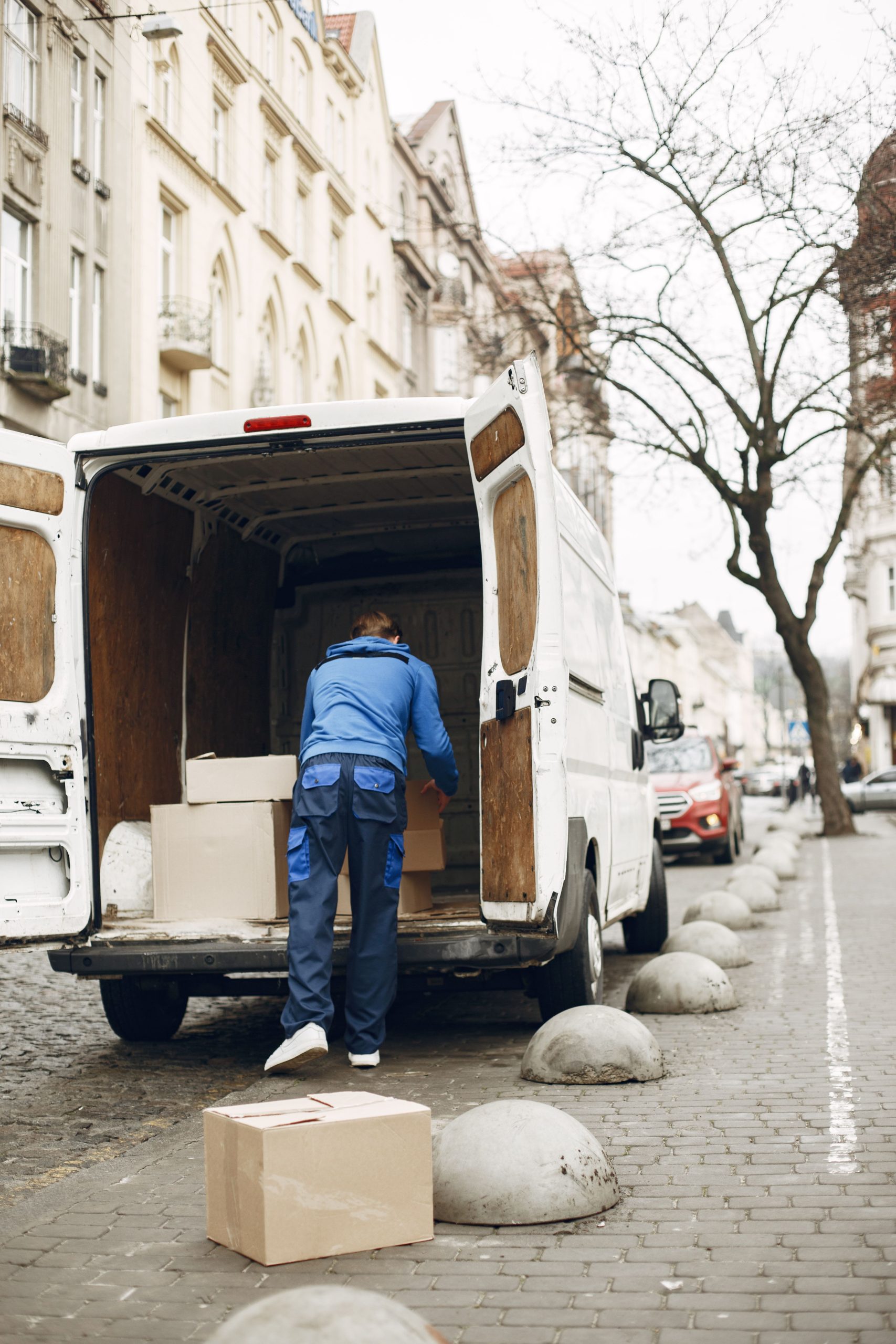
Same area. Very different stop.
Imagine two businesses located only a short distance apart.
The first has parking outside and a receptionist waiting for the package. The second requires the driver to find a loading entrance, check in with security and take a freight elevator.
The map does not show much difference. From a delivery perspective, there clearly is one.
Parking nearby, shipment ready and reception expecting the driver.
Loading access, security check-in and a specific receiving floor.
The postal code helps locate both deliveries. It does not describe the work required once the driver arrives.
What should you provide besides the postal code?
You do not need to write a novel. A few useful details can make the pickup and delivery much easier to plan.
Full address
Include the unit, suite or building information instead of relying on the postal code alone.
Contact person
Provide someone the driver or dispatch can reach if access is unclear.
Shipment details
Number of pieces, dimensions and weight help determine the vehicle required.
Access notes
Mention loading docks, elevators, security desks, buzzers or special entrances.
Receiving hours
Tell the courier if the destination stops receiving before the business itself closes.
Real deadline
If something must arrive by a specific time, make that clear when you request the delivery.
Need to understand the distance first?
Distance is still useful. It just works better when it is combined with the details of the delivery.
Numode's Service Area Map Generator can help you visualize a radius around a Canadian location before you start planning a route or service area.
Enter a location, choose a distance in kilometres and visualize the surrounding area on a map.
Open the map toolHave the postal codes? Tell us the rest.
Numode Delivery provides local courier and delivery services across Metro Vancouver and surrounding areas. Share the pickup, destination, shipment details and timing with our team and we can help you plan the right delivery service.
Frequently asked questions.
A few common questions about postal codes, addresses and planning local courier deliveries.
Is a postal code enough to get a courier quote?
Postal codes can help identify the pickup and delivery areas, but a courier may also need information such as the full addresses, shipment size, number of pieces, vehicle requirements and delivery deadline to understand the job properly.
Why can two nearby deliveries take different amounts of time?
The distance may be similar while the stops are very different. Parking, building access, loading docks, elevators, security, receiving hours and traffic can all affect the time needed to complete a delivery.
Does the size of my shipment matter if the distance is the same?
Yes. Shipment size and weight can affect the vehicle required and the way the pickup or delivery is handled. An envelope and a pallet going to the same address are not necessarily the same type of delivery.
Should I include a unit or suite number when booking a courier?
Yes. Providing the full address, including the unit, suite, department or warehouse bay when applicable, can help the driver locate the correct pickup or receiving point more efficiently.
What delivery instructions are useful for a courier?
Useful instructions can include loading access, parking information, buzzer numbers, security procedures, receiving hours, contact names and any specific deadline for the shipment.
Can a postal code tell me which courier vehicle I need?
No. The vehicle is based primarily on the shipment itself and the requirements of the job. Dimensions, weight and number of pieces are much more useful when determining whether a car, van or larger vehicle may be needed.
How can I make a courier pickup easier?
Have the shipment ready before the pickup window, provide accurate contact and access information, and let reception or warehouse staff know that a courier is expected.