
What is dimensional weight, and why can a light box “weigh” more?
A box might weigh only 10 lb on a scale but take up enough space to have a much higher dimensional weight. It has not physically become heavier. Dimensional weight is simply another way of measuring the shipment, this time based on the space it occupies.
The scale tells only part of the story.
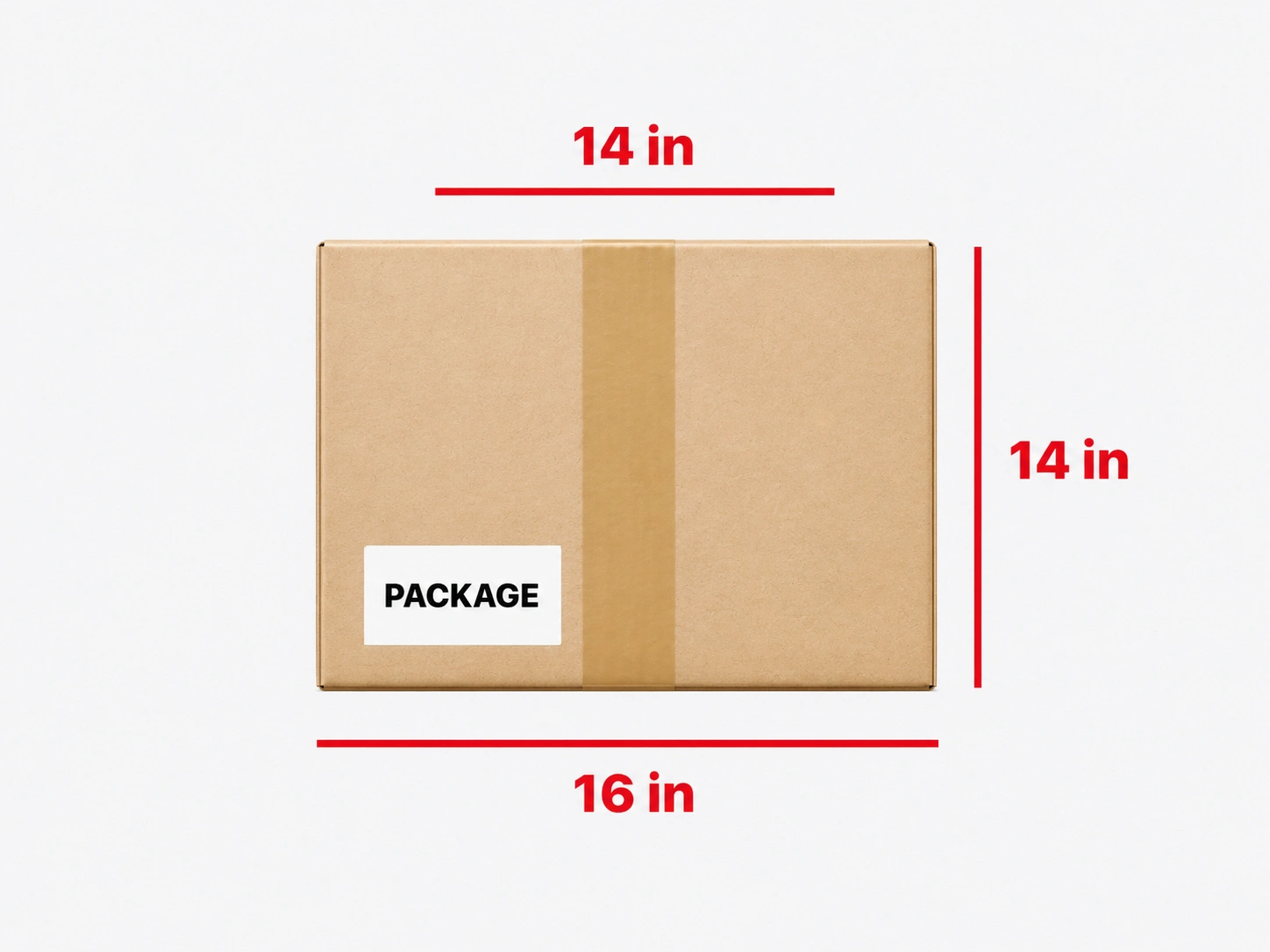
A 10 lb package does not always use only “10 lb worth” of cargo space.
Two packages can have exactly the same physical weight and still take up very different amounts of room inside a vehicle. Dimensional weight helps represent that difference.
Actual weight and dimensional weight measure two different things.
One comes from a scale. The other comes from the package's measurements.
How heavy is it?
Actual weight is the physical weight of the shipment when it is placed on a scale, including the package and its contents.
How much space does it use?
Dimensional weight is a calculated value based on the outside dimensions of the shipment and the amount of cargo space those dimensions represent.
Same 10 lb. Very different amount of space.
This is the easiest way to understand why dimensional weight exists.
Small and compact
A smaller box leaves more cargo room available around it.
Large but lightweight
The contents may still weigh only 10 lb, but the package occupies considerably more cargo space.
How is dimensional weight calculated?
Numode's calculator converts the package volume from cubic inches to cubic feet, then applies a DIM factor of 15 lb per cubic foot.
Measure the box
Measure length, width and height in inches.
16 × 14 × 14Find cubic inches
Multiply the three outside dimensions.
3,136 in³Convert to cubic feet
Divide by 1,728 and round to two decimals.
1.81 ft³Apply the DIM factor
Multiply 1.81 ft³ by 15 lb per cubic foot.
27.15 lb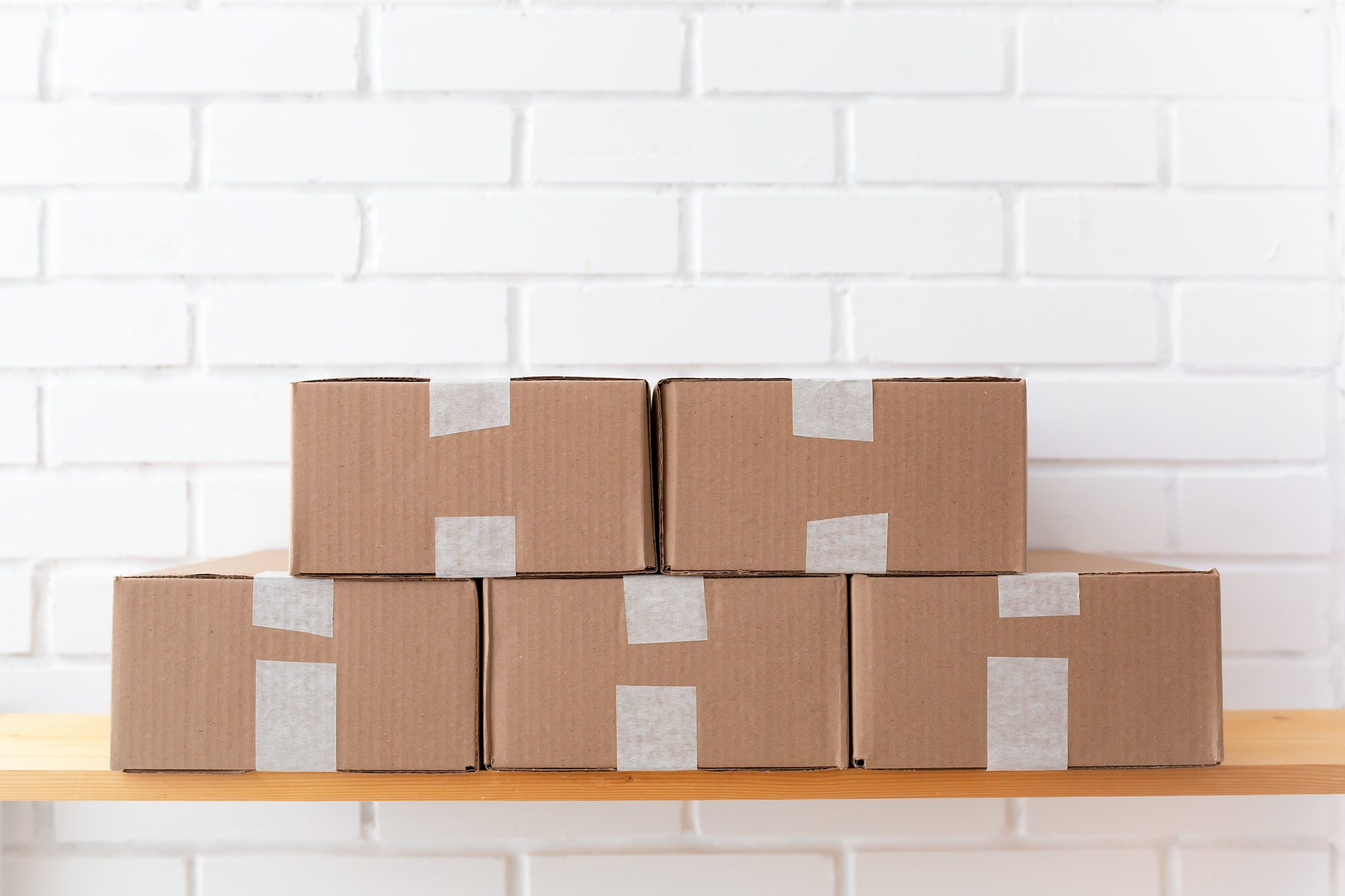
Delivery vehicles have limited cargo space. A lightweight shipment can still occupy a large part of that space.
The calculator can handle more than a standard cardboard box.
Numode's tool includes Box, Cylinder and Irregular package options so the dimensions can reflect the space the shipment actually needs.
Measure length, width and height.
Measure each outside dimension to the nearest inch, including the packaging.
Measure diameter and height.
Numode's calculator uses the diameter as both the length and width when estimating the space occupied by a cylinder.
Measure the space around the item.
Imagine a rectangular box surrounding the shipment in its load position, then measure that outside length, width and height.
Dimensional weight does not mean your package became physically heavier.
It is a shipping measurement based on volume. If a box has a dimensional weight of 27.15 lb, you should not expect a scale to suddenly read 27.15 lb.
It is not a scale reading.
Physical weight and dimensional weight are separate measurements.
It is about volume.
Length, width and height determine how much cargo space a package occupies.
Accurate measurements matter.
Small differences in outside dimensions can change the calculated cubic volume and dimensional weight.
Don't want to calculate it yourself?
Enter your package dimensions into Numode's Dimensional Weight Calculator. It shows the volume, cubic feet and dimensional weight step by step.
Still not sure how your shipment should be measured?
Give Numode the package dimensions, approximate physical weight, number of pieces and delivery details so our team can better understand what needs to move.
Dimensional weight FAQs.
Common questions about DIM weight, package dimensions and Numode's dimensional weight calculator.
What is dimensional weight?
Dimensional weight, also called DIM weight, is a calculated shipping measurement based on the amount of physical space a shipment occupies rather than only its weight on a scale.
Why can a lightweight package have a high dimensional weight?
A package can be physically light but still be large. Because dimensional weight is based on volume, a large lightweight box can produce a higher dimensional-weight value than a smaller package.
How does Numode calculate dimensional weight?
For a standard box, multiply length by width by height in inches, divide the cubic-inch volume by 1,728, round the cubic-foot result to two decimals, then multiply by Numode's DIM factor of 15 lb per cubic foot.
What DIM factor does Numode use?
Numode's current dimensional weight calculator uses a DIM factor of 15 lb per cubic foot. The calculator notes that calculations are rounded to two decimals after each step.
How should I measure a box for dimensional weight?
Measure the outside length, width and height of the packaged shipment in inches. Numode's calculator asks users to measure to the nearest inch.
Can I calculate dimensional weight for a cylinder?
Yes. Numode's calculator includes a cylinder option. It uses the diameter as both length and width, then multiplies diameter by diameter by height before converting the volume to cubic feet.
How do I measure an irregular-shaped package?
Numode's calculator recommends placing the package in its load position and measuring the rectangular space that would fully contain it. That bounding length, width and height are then used for the dimensional calculation.
Is dimensional weight the same as actual weight?
No. Actual weight is what the shipment physically weighs on a scale. Dimensional weight is calculated from the amount of space the shipment occupies.